01 — Power generation

Lighting the future.

Through Taurus, our power platform, we generate 1,250 MW and supply around 1.5 million homes in the Kurdistan Region.

Overview

Energy security for the Kurdistan Region and Iraq.

Through Taurus, our power platform, we develop, build and operate gas-fired power plants and explore opportunities to secure additional capacity, supporting Iraq’s objective of closing current power shortages and meeting future demand.

By harnessing the region’s natural gas — including supply from the Khor Mor gas field — and investing in world-class infrastructure, we are helping turn the Kurdistan Region into a hub for electricity production that serves domestic demand and supplies power to other parts of Iraq. Today we generate 1,250 MW, rising to around 1,500 MW on completion of the Bazian II combined-cycle conversion, scheduled for 2028.

Iraq’s electricity demand continues to outstrip supply. Our Bazian hub is designed for reliability — with a reported reliability factor above 98% and power availability around 99% — so households and industry can count on the power we deliver.

Visit Taurus (external site)↗

In numbers

Capacity, reliability, reach.

  • 1,250MWinstalled capacity at Bazian
  • ~35%of the Kurdistan Region’s power supply
  • 1.5mhomes supplied
  • 2016first 500 MW at Bazian
  • >98%reliability factor
  • 200+skilled employees at the power plants
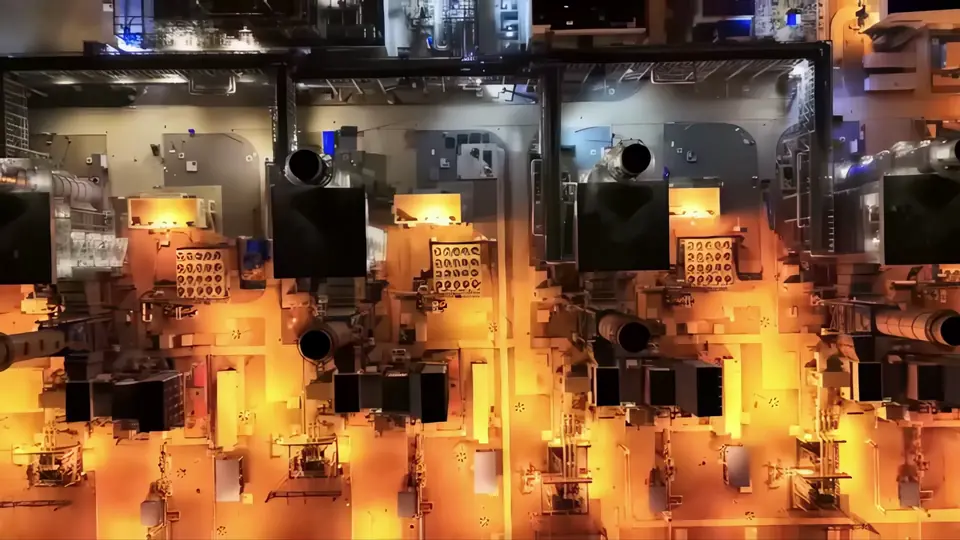
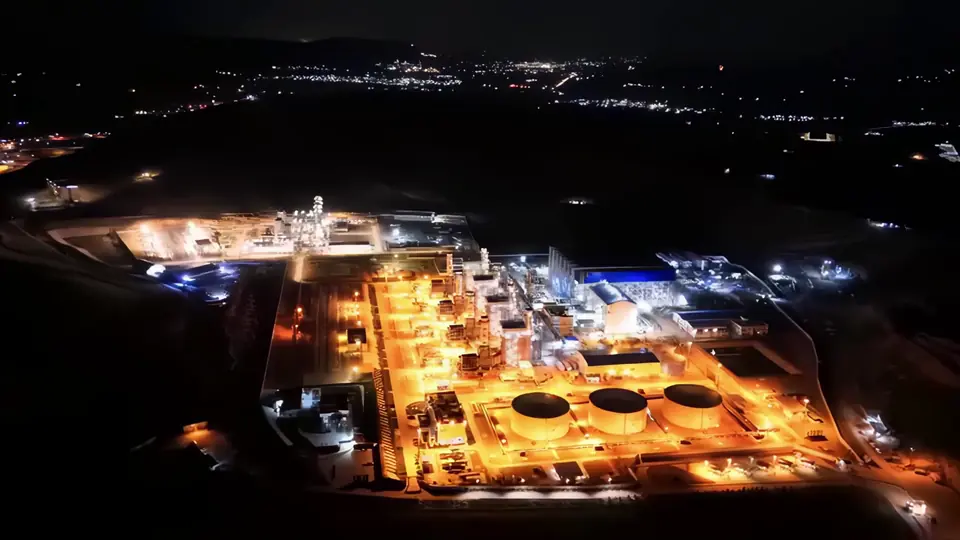
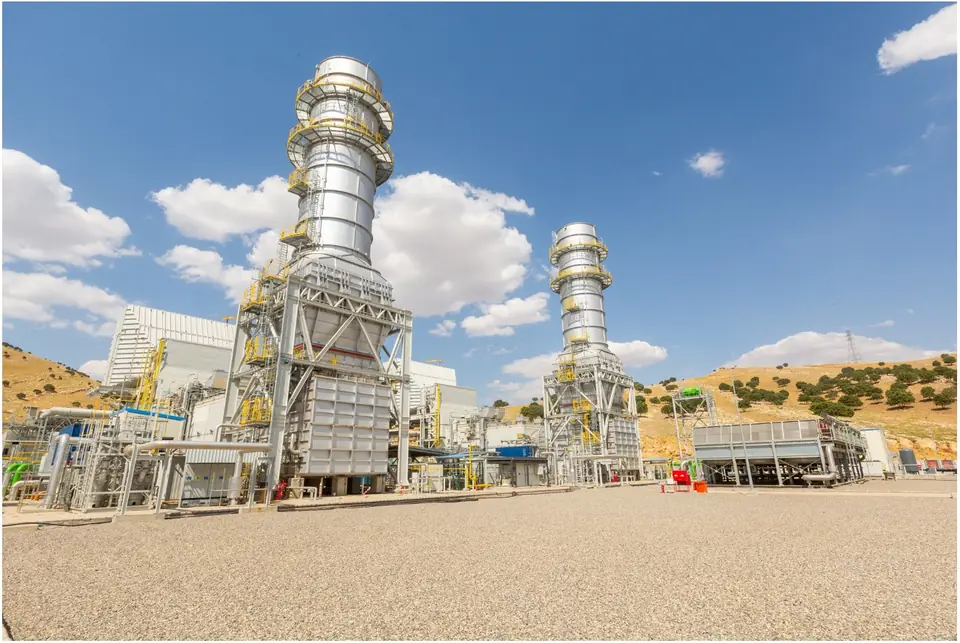
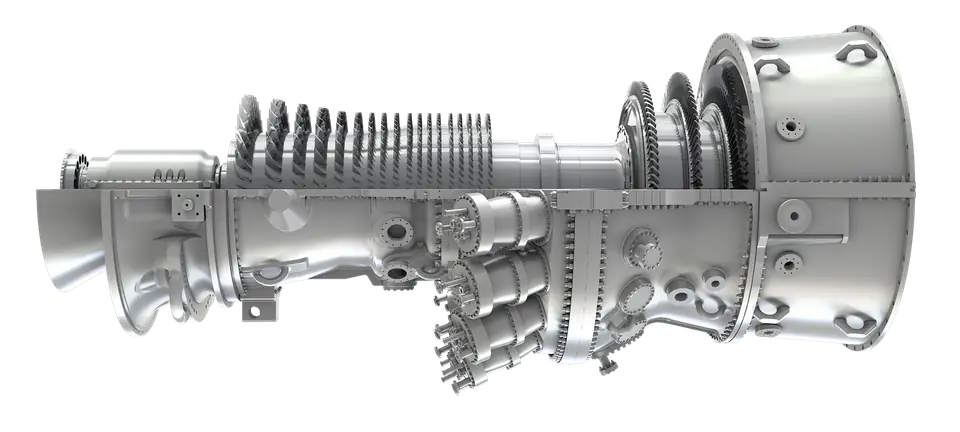
Bazian II, the 500 MW simple-cycle plant with two GE 9F.04 gas turbines, Kurdistan Region of Iraq.
Render of a GE 9F.04 heavy-duty gas turbine
01 / 04

Long-term partnership with GE Vernova

GE 9F.04 gas turbines.

Bazian II runs on two GE 9F.04 heavy-duty gas turbines, each delivering 288 MW in simple cycle, with combined-cycle efficiency above 60%. The 9F.04 is highly fuel-flexible and starts in as little as 20 minutes in simple cycle and 30 minutes in combined cycle, with improved resilience to grid disruptions and load transients.

Overall, the Bazian site is powered by four GE Vernova 9E.03 and two 9F.04 gas turbines. In 2025 Bazian was announced as the launch site for GE Vernova’s AGP XPAND upgrade — a world first.
Helping turn the Kurdistan Region into a hub for electricity production — for domestic demand and for the rest of Iraq.

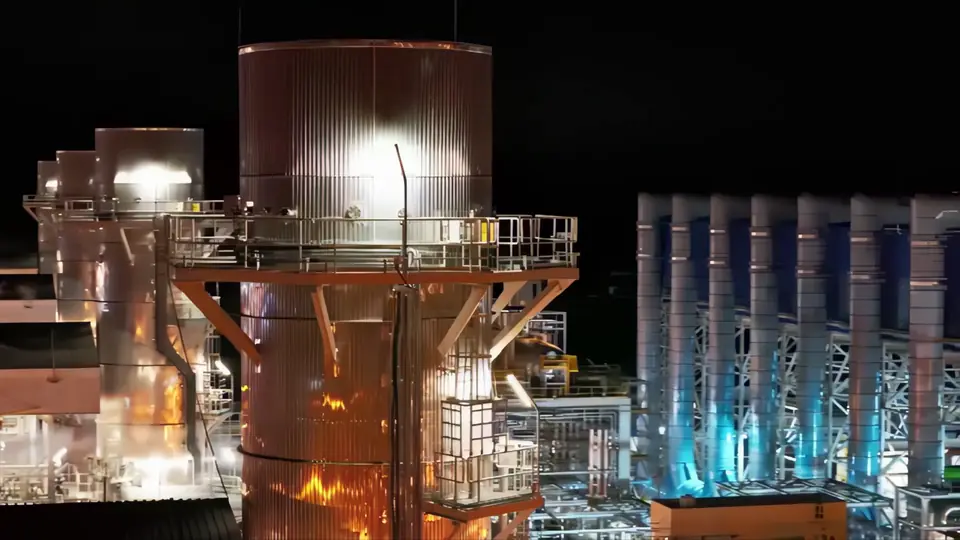
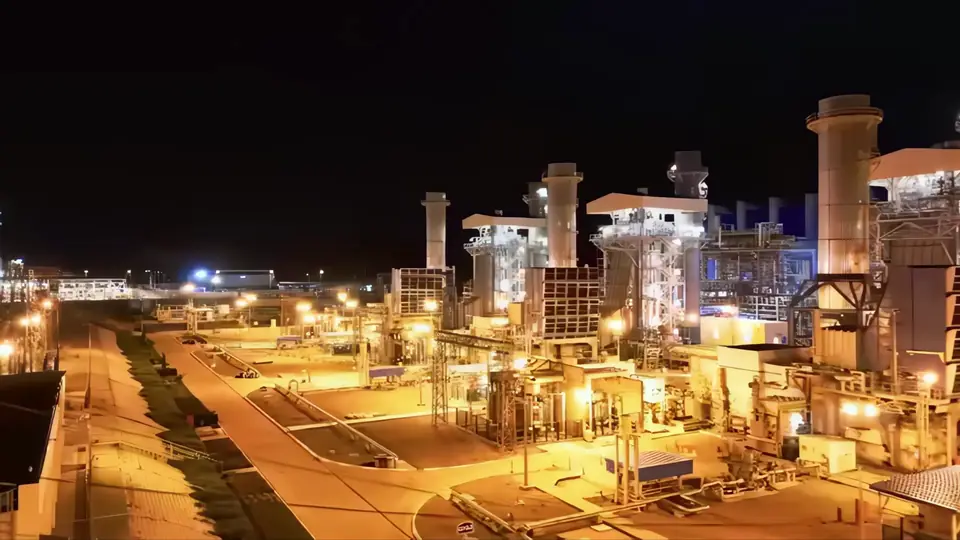
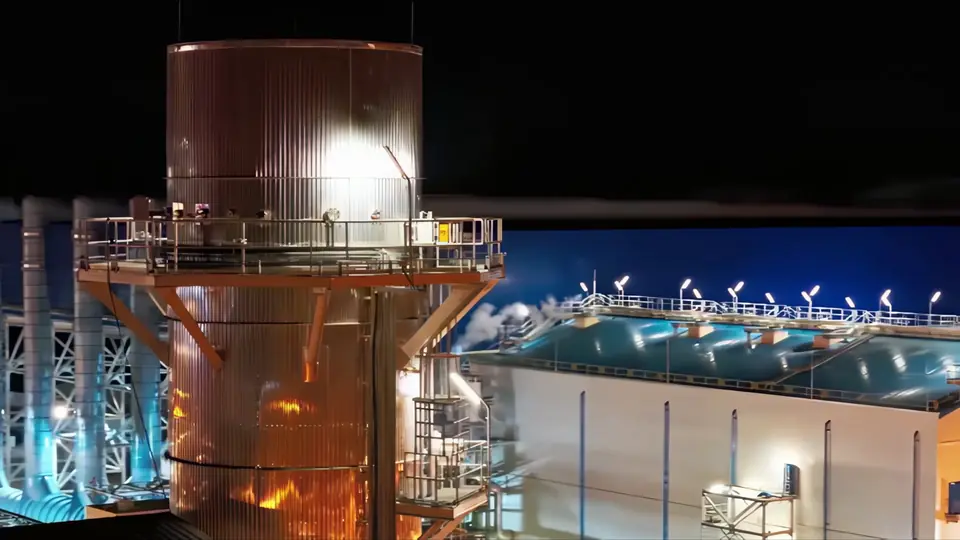
Exhaust stack and cooling systems at the Bazian power plant at night
02 / 04

Maximising efficiency

250 MW with no additional fuel.

Our 250 MW combined-cycle expansion uses a GE STF-D200 steam turbine — the first of its kind in Iraq — to convert waste heat from the gas turbines into additional electricity, without any additional fuel.

The STF-D200 features a double-flow low-pressure section and a high-pressure section shipped fully assembled, enabling a five-month installation cycle from arrival on site to turning-gear operation. A second combined-cycle conversion, at Bazian II, is under construction; scheduled for 2028, it will add around 250 MW and take Bazian to around 1,500 MW.

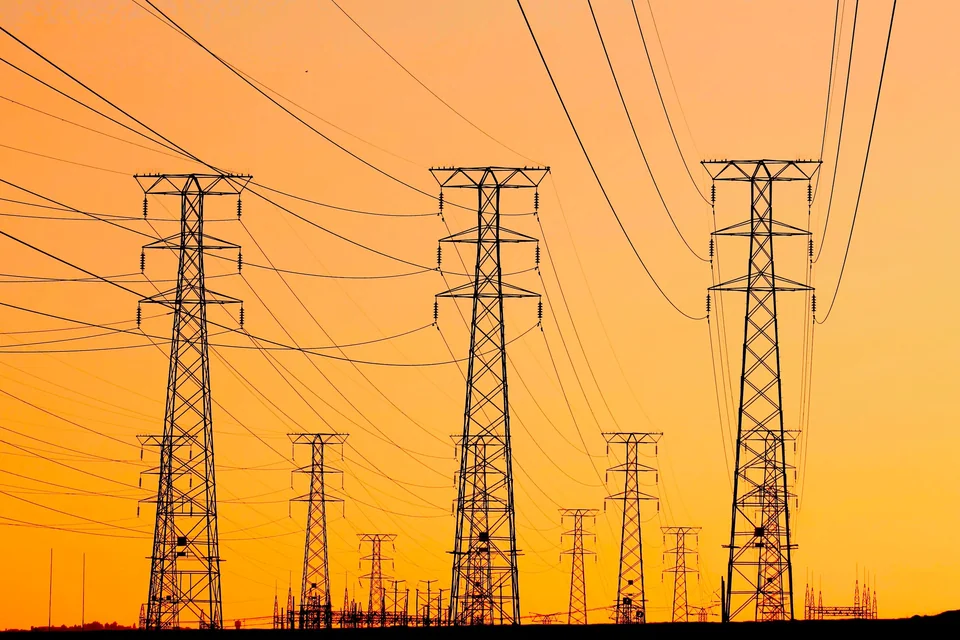
High-voltage transmission towers against an orange sunset sky
03 / 04

Market context

Closing a structural power gap.

Iraq’s summer peak demand has been reported around 55 GW against production nearer 25 GW, with grid supply in many areas still measured in hours per day. Around a third of Iraq’s electricity has depended on imported gas and power. The Kurdistan Region has around 6.9 GW of installed capacity, yet gas shortages and grid inefficiencies mean it averages only about 3.4 GW — which is why domestic gas-to-power, including from Miran, matters for 24-hour electricity.

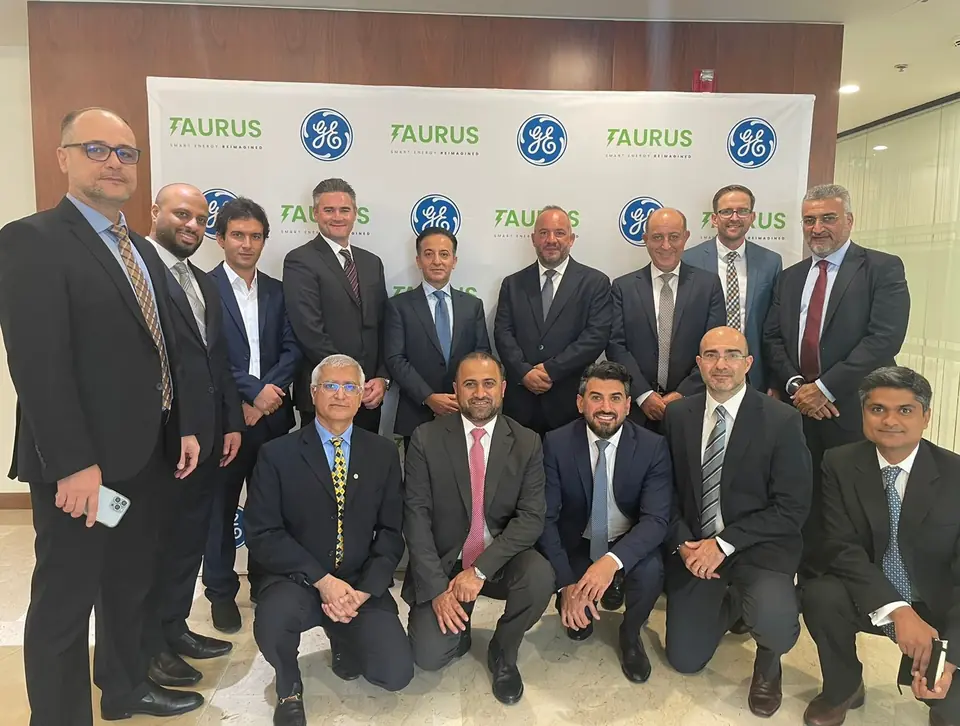
ONEX and GE teams at the Bazian II service agreement signing
04 / 04

Long-term capital

Around US$2 billion invested at Bazian.

We have invested around US$2 billion to build our power hub at Bazian, in disciplined phases since the first plant.

The first 500 MW simple-cycle plant, built with Enka, was backed by a US$105 million financing package in 2016: an eight-year US$75 million buyer’s credit arranged by Deutsche Bank and backed by Coface, the French export credit agency, alongside a five-year US$30 million loan from GE. Later expansions with Çalık Enerji and Enka followed the same model of world-class OEM technology, experienced EPC partners and long-term finance.

Strategy & value creation

How we create value.

Disciplined ownership across the life-cycle of each asset.

01Build capacity in phases

From the first 500 MW built in 2016, through further simple-cycle and combined-cycle expansions to 1,250 MW today, and on to around 1,500 MW with the Bazian II combined-cycle conversion due in 2028 — grown in disciplined stages.

02Pair world-class OEMs with regional EPCs

GE Vernova turbines and steam plant, delivered with Enka and Çalık Enerji as EPC partners, keep construction schedules tight and long-term service support in place.

03More megawatts, same gas

Combined-cycle add-ons lift output by around 50% from the same fuel, easing pressure on regional gas while raising efficiency above 55%.

04Towards 24-hour power

Our priority is uninterrupted electricity for households and industry. The Bazian hub now stands at 1,250 MW, rising to around 1,500 MW by 2028.

Milestones

A clear path.

Scroll or use the arrows to move through the timeline.

  1. 2013

    Power purchase agreement signed for the first Bazian simple-cycle plant.

  2. 2016

    First 500 MW of the Bazian power plant built in the Kurdistan Region, with GE gas turbines and Enka as contractor — the start of the Taurus hub.

  3. 2022

    Second 500 MW simple-cycle plant energised in Q4, lifting capacity to 1,000 MW.

  4. 2024

    250 MW combined-cycle add-on completed — total installed capacity 1,250 MW.

  5. 2025

    EPC contract awarded for the Bazian II combined-cycle conversion; construction under way.

  6. 2028

    Expected completion of the Bazian II conversion, adding around 250 MW with no additional fuel and taking Bazian to around 1,500 MW.

Footprint

Where this business sits.

Select a pin or a legend entry for details.

Map data: Natural Earth

Sustainability

Lower-carbon power, local skills.

Combined-cycle generation turns waste heat into 250 MW with no extra fuel. The plants employ more than 200 skilled people, with a high share of local nationals, and have supported training programmes for more than 1,000 Iraqis in technical and leadership fields. Direct jobs at the power stations sit alongside thousands of indirect roles through contractors and suppliers. A distribution project is expected to take the direct workforce above 1,000 over time.

Read our sustainability approach →

← All sectors